
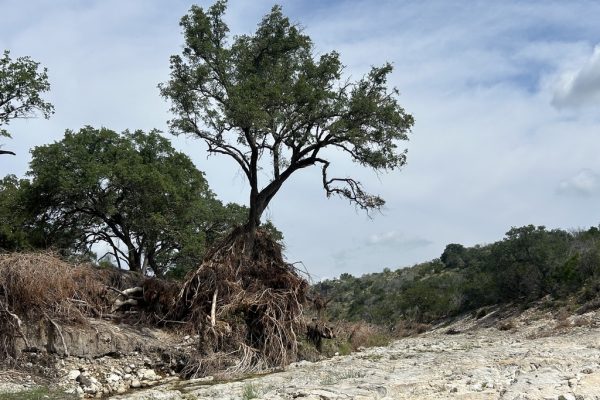
A long weekend along the Llano River demonstrated a reassuring reboot by Mother Nature following the devastating July 4th flood that occurred just two months ago in this neck of the Lone Star State.
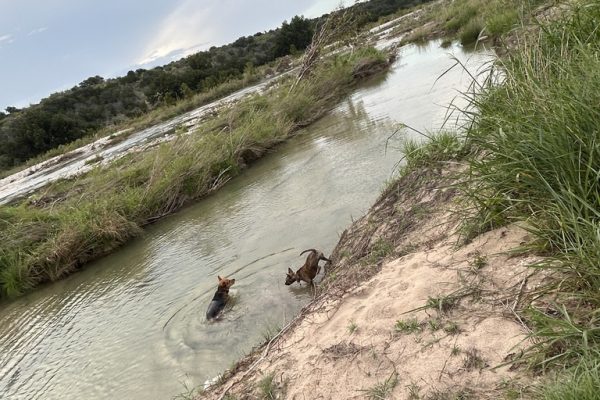
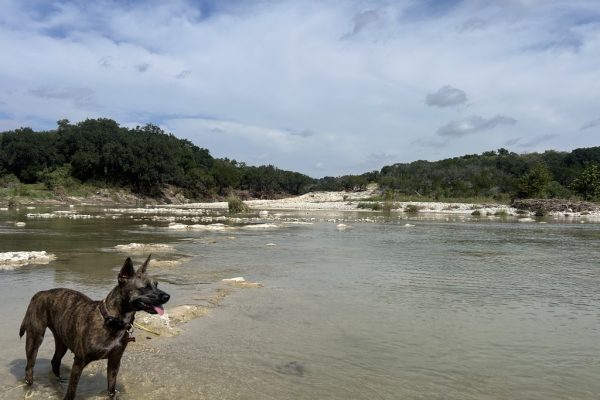
Detritus, fallen trees, and scrubbed riverbanks laid witness to the historic event, yet other areas of the river burst with renewal.
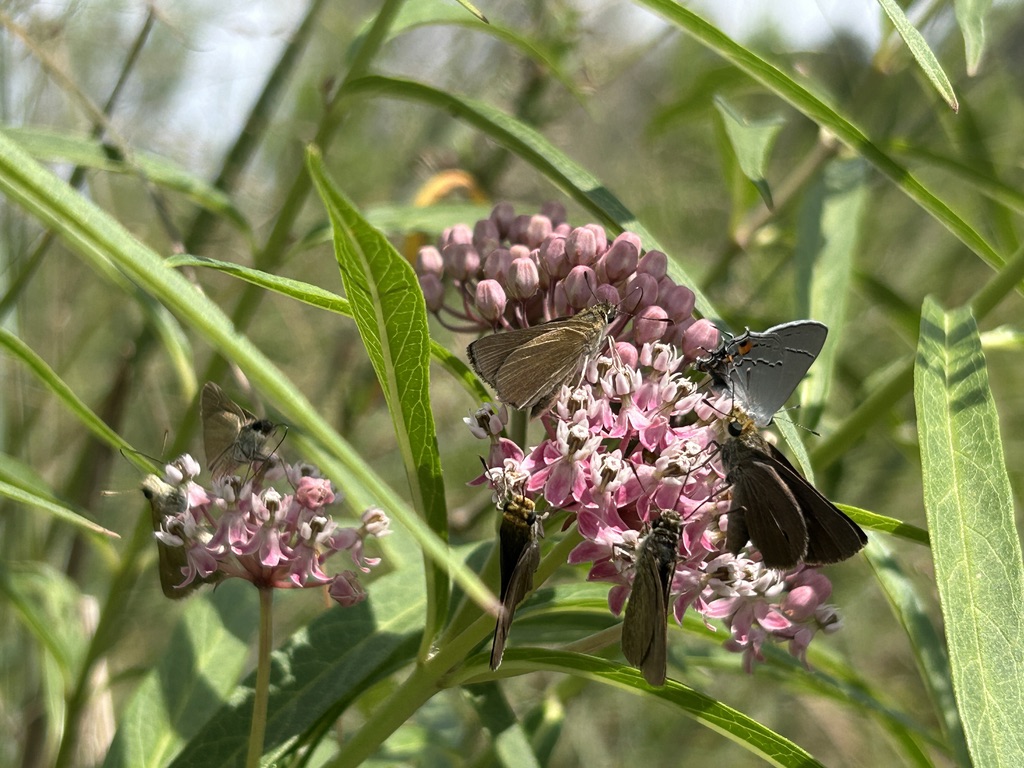
 Queens and other insects gather on the Swamp milkweed.
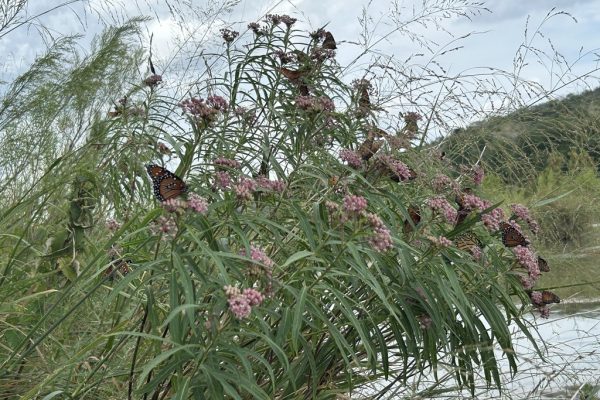
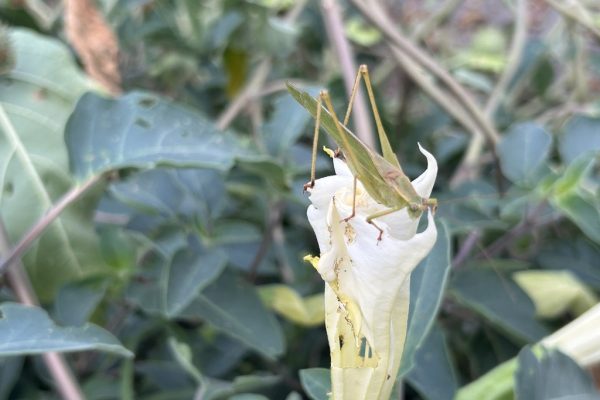
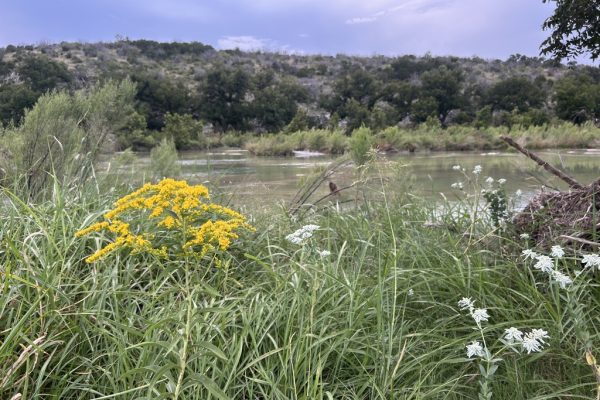
The Swamp milkweed, Asclepias incarnata, showed particular resilience. Its generous pink umbels poked from the overgrown grasses, and the Queens, Skippers, Swallowtails, Gulf fritillaries and others couldn’t be more delighted. Along the riverbanks and dotting what’s left of the Chigger Islands, the flood resistant milkweed stands jutted from the brush, providing nectar, pollen, host plant and shelter.
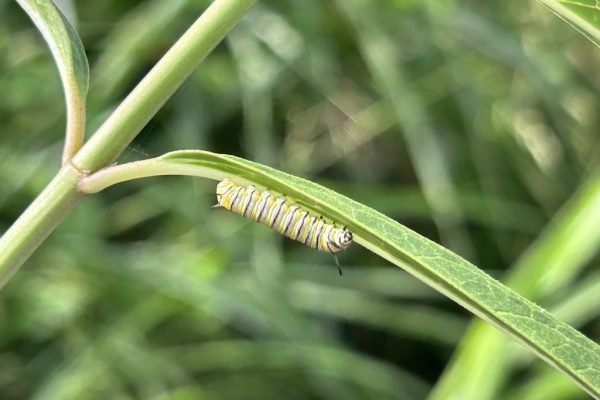
Over five days last weekend, not a single monarch butterfly was spotted, unusual for this time of year. Typically, we get a rush of early migrants around Labor Day weekend, but not this year. The only monarch spotted was a single, third instar caterpillar on the underside of a milkweed leaf. Spotted several eggs, but given the robust Queen presence, they were likely not monarchs.
Jenny Singleton, whose ranch lies about 30 minutes to the northwest along the San Saba River, said the story was different at her place.
“Not much nectar out here. Very green, but mostly grasses and ragweed!” she said, adding that at least the rivers are running and the springs are full. “That’s not usually the case this time of year.”
Certain sections of our stretch of the Llano River were scrubbed clean, and we witnessed entire islands–tons of soil–lost in the floods. More protected areas seem to have responded very well to the historic rain event.
Along a new road that we constructed earlier this year–some of which was unfortunately washed out–wildflower seeds sown in early March were exploding with Clammyweed, Partridge pea, and other natives forbes. Pipevine, Eastern, and Giant Swallowtails all visited the blooms, along with Skippers, Hairstreaks and other insects. Each pass with the truck flushed a cloud of elegant flyers.
The scene was pleasantly jarring in comparison to the blank canvas of some areas of the riverfront that were wiped clean with flood waters that rose 75 yards across a broad floodplain.

Check out my books!
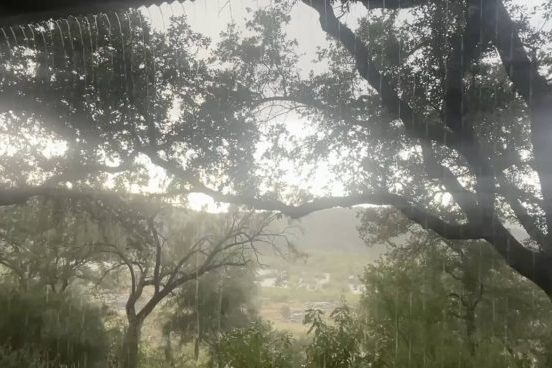
The record rains pulled much of Texas out of severe drought for the first time in years, and we even enjoyed several more thunderstorms this weekend, depositing another 1.75 inches in the rain gauge. Now, a scorching September unfolds with temperatures in San Antonio this week expected to top 100 degrees. Migrating monarchs will have a hot welcome, but lots of nectar.
TOP PHOTO: Skippers and Hairstreaks nectar on Swamp milkweed along the Llano River. –Photo by Monika Maeckle
Related articles
- Monarch butterflies hearing our way as annual fall migration takes flight
- Mother Nature asserts herself with historic flooding in Texas Hill Country
- Monarch butterfly numbers vault 99% over last year’s historic low, California population teetering
- Commercial butterfly breeders brace for devastating hit as monarch ESA listing looms
- Monarch butterflies listed as “threatened” under the Endangered Species Act
- A tense online debate: raising monarch butterflies at home
- New study: monarch migration at risk, monarch butterflies are not
- USFWS rules monarch butterflies worthy of protection, but they don’t have resources to protect it
- As ESA listing looms, new study challenges dogmatic narrative that monarchs are in decline,
- “Weird” weather has scientists concerned about this year’s monarch butterfly migration.
We live close to Castell. We call the plant in our yard, Blue Mist. The Monarchs have been here for at least two months.
Are you sure they’re not Queens?
Hi Monika—
Your newsletters are great!
It looks like the insect in your pix is not a praying mantis but a Fork-tailed Bush Katydid.
Thanks,
Kathy
Well thank you for reading, writing and for the insect ID! Will fix that! 😎
PS—In Shreveport, LA we’re seeing Giant swallowtails, some Monarchs & Pipevine swallowtails…yay!
This article beautifully captures the contrasting impacts of the historic rain on Texass landscapes, from flooded rivers to blooming wildflowers. It highlights both challenges and opportunities for wildlife, especially monarchs, in a changing climate.